The Best Local Tips for Visiting Yellowstone National Park
Yellowstone National Park is one of the most iconic natural destinations in the United States. Spanning more than two million acres across Wyoming, Montana, and Idaho, the park is home to dramatic geothermal features, wildlife, waterfalls, and landscapes that look almost otherworldly. With so much to see, planning ahead can make a huge difference in how much you experience during your visit.
Many first-time visitors underestimate just how large Yellowstone is and how quickly conditions can change. From wildlife safety to weather shifts, a little insider knowledge can help you avoid common mistakes and make the most of your adventure.
If you're planning a trip to Yellowstone, here are some of the best local tips to help you explore the park safely and efficiently.
1. Pack Plenty of Snacks & Water
Yellowstone is massive, and many areas of the park are remote. Once you enter, you may be driving for hours between major attractions, restaurants, or stores. Having plenty of snacks and water on hand can make your day far more enjoyable.
Energy bars, trail mix, sandwiches, and fruit are all great options for a day in the park. Refillable water bottles are also essential, especially if you plan on hiking or exploring longer trails. Bringing extra food ensures you can keep moving without constantly searching for places to eat.
Just remember to store food properly and never feed wildlife. Feeding animals is dangerous for both visitors and wildlife and can cause animals to become aggressive or dependent on humans.
2. Make a List of Your “Must Visit” Stops
Yellowstone National Park is larger than the states of Rhode Island and Delaware combined, which means you simply cannot see everything in one day. It can take three hours to drive across the park, without stops. Most people underestimate the sheer size of Yellowstone!
Before your trip, make a short list of the attractions you absolutely want to see. Popular highlights often include:
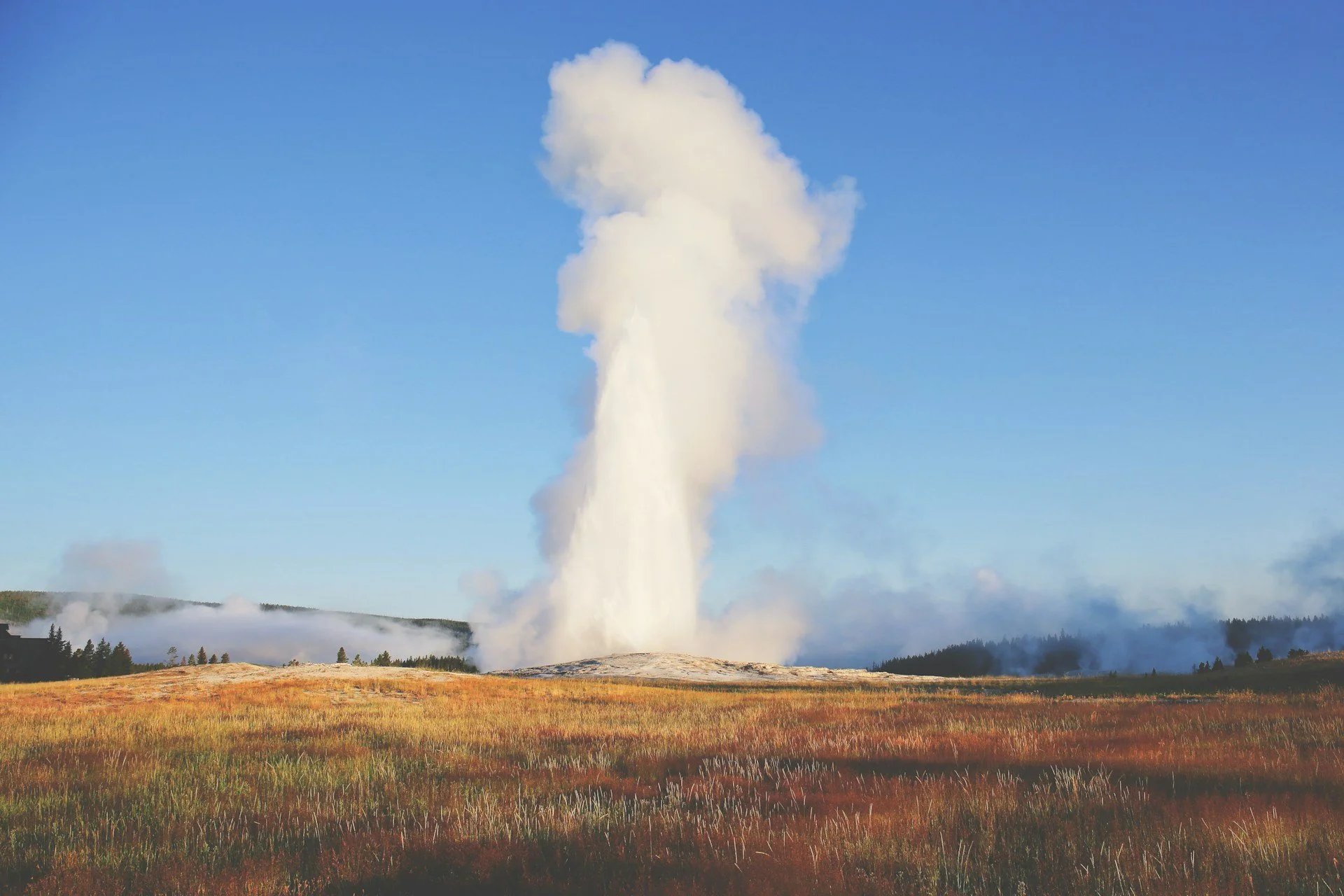
Old Faithful
Grand Prismatic Spring
Yellowstone Lake
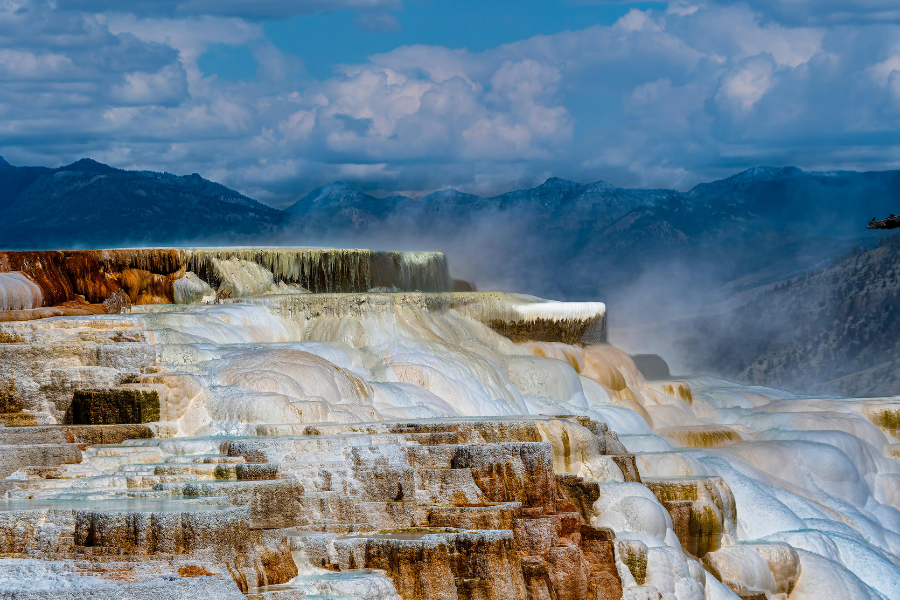
Mammoth Hot Springs
Lamar Valley for wildlife viewing
A great option is booking a professionally guided experience, such as the full-day guided Yellowstone tour offered by Scenic Yellowstone Tours. Guided tours help visitors maximize their time by combining expert local knowledge with carefully planned routes to the park’s most famous attractions.
3. Understand Wildlife Safety Rules
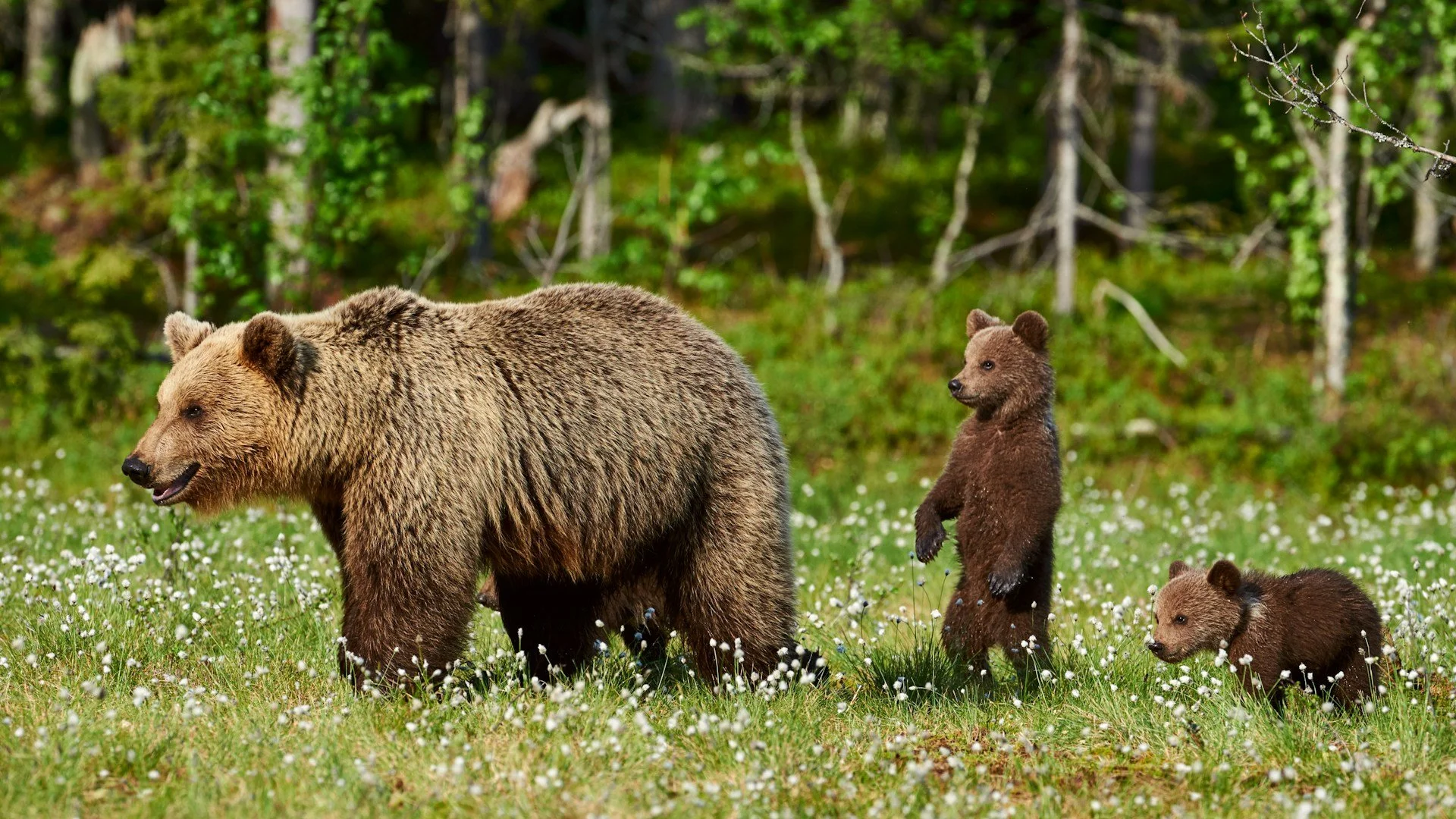
Seeing wildlife is one of the biggest reasons people visit Yellowstone. The park is home to bison, elk, wolves, bears, moose, and countless other species.
However, these animals are wild and unpredictable, which means respecting safety rules is critical. Here is a full list from the NPS Yellowstone website on park rules and regulations.
Yellowstone Wildlife Rules
Stay at least 100 yards (91 meters) away from bears and wolves.
Stay at least 25 yards (23 meters) away from all other wildlife including bison, elk, deer, moose, coyotes, and bighorn sheep.
Never feed wildlife. Feeding animals can make them aggressive and dependent on human food.
Do not approach animals for photos. Always use binoculars or a zoom lens instead.
Stay in your vehicle if animals are close to the road. Do not exit your car during wildlife traffic jams.
Never run from wildlife. Slowly back away if you encounter an animal at close range.
Keep at least 100 yards away from bears at all times, even when using viewing areas or trails.
Carry bear spray when hiking in bear country and know how to use it.
Store food properly. Use bear-proof containers or food lockers when camping.
Keep pets under control. Pets are not allowed on trails or boardwalks and must stay within 100 feet of roads or parking areas.
Do not surround, follow, or harass animals. Wildlife should always have a clear escape route.
Stay on designated trails and boardwalks in thermal areas where wildlife may be present.
Never try to rescue or interact with young animals. A parent is usually nearby.
If wildlife approaches you, move away slowly and create distance.

4. Pack Layers
One of the biggest surprises for many visitors is how unpredictable Yellowstone’s weather can be. Even in the middle of summer, temperatures can vary dramatically between morning and afternoon.
It’s not uncommon to experience sunshine, rain, and chilly winds all in the same day. In some seasons, snow is even possible during early summer mornings. Even if the day starts warm, temperatures often drop quickly in the evening or at higher elevations. Being prepared ensures you can enjoy your time outdoors without cutting your trip short.
Packing layers allows you to stay comfortable regardless of the conditions. A good Yellowstone outfit might include:
Moisture-wicking base layer
Warm fleece or insulated jacket
Lightweight rain jacket
Hat and gloves during cooler months
5. Start Your Day Early
One of the best local secrets for visiting Yellowstone is simply starting your day early. Many of the park’s most popular attractions become extremely crowded by mid-morning, especially during peak summer months. Our guided Yellowstone tours typically have an early pickup time, and that’s for two main reasons:
The park is huge, and it takes 10-12 hours to see everything included on a full-day Yellowstone tour.
Wildlife is most active in the early mornings and evenings, especially during the hot summer months.
Early starts also make it easier to find parking at popular viewpoints and trailheads, which can fill up quickly during busy seasons.
6. Download Offline Maps Before Entering the Park
Cell service inside Yellowstone is extremely limited. In many areas, you may go hours without a signal. Before entering the park, download offline maps through apps like Google Maps or other navigation tools. Even if you have a tour guide, it’s always fun to keep track of your map to know exactly where you are in the park!
7. Plan for Longer Drive Times
One of the biggest mistakes visitors make is underestimating how long it takes to travel between attractions in Yellowstone.
Even though locations may look close on a map, driving times can be longer due to winding roads, wildlife traffic jams, and frequent scenic stops. Bison crossing the road or large groups of visitors stopping to watch animals can slow traffic dramatically.
Joining one of our guided Yellowstone tours can make navigating the park much easier. Our experienced guides know the most efficient routes and the best times to visit major attractions.
8. Consider Exploring with a Local Guide
Yellowstone is vast, complex, and full of hidden gems that many visitors miss. One of the best ways to truly experience the park is by exploring with a knowledgeable local guide with a local Yellowstone tour company.
Guided tours provide several advantages:
Expert insight into Yellowstone’s geology and wildlife
Efficient routes that avoid crowds
The best locations for wildlife viewing (a HUGE benefit!)
Safe and stress-free travel inside the park
Here at Scenic Yellowstone Tours, we specialize in creating memorable Yellowstone experiences. Their knowledgeable guides help visitors discover not only the famous landmarks but also lesser-known viewpoints and scenic locations.
Explore all our tours!
Tours to Yellowstone from Cody, Wyoming (our partner company!)